BONUS SIGHTS

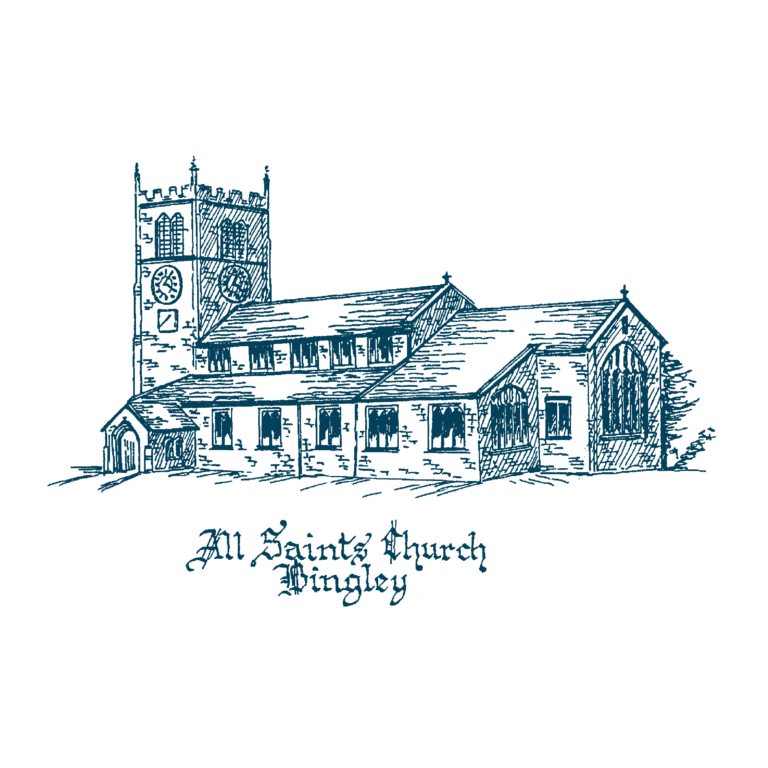
Church of All Saints is the Anglican parish church in the town of Bingley, West Yorkshire, England. It is one of two Anglican churches in the town, the other being Holy Trinity. All Saints has existed since Norman times and it is set in the oldest part of the town, near to where the River Aire is crossed by Ireland Bridge.

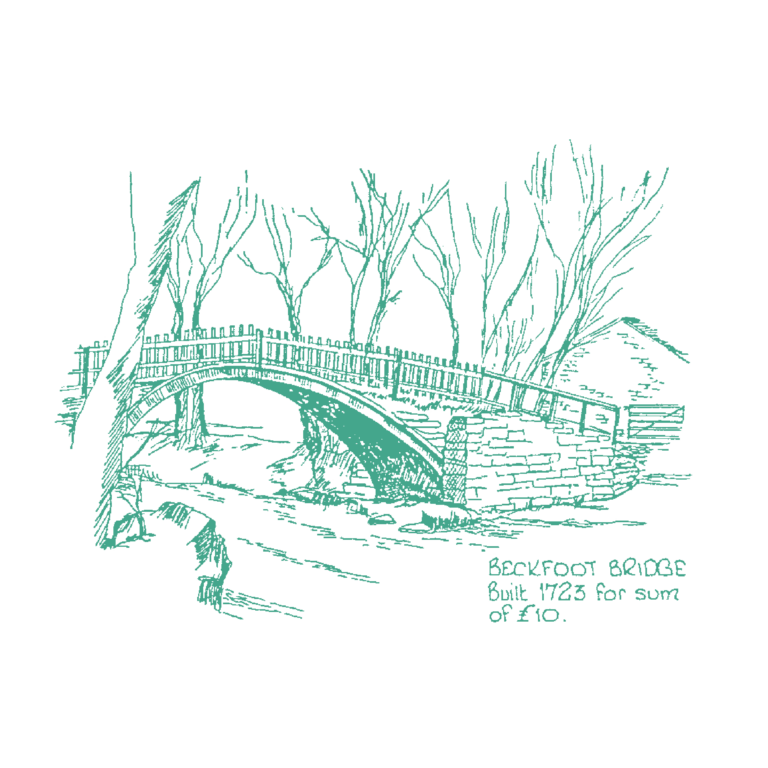
Beckfoot Bridge (also known as the Packhorse Bridge) was historically a significant crossing point over Harden Beck in Bingley.

It was constructed alongside the historical ford across the beck in 1723, replacing a previous wooden bridge.Two contractors were paid £10 to build the bridge and to maintain it and keep it in good order for seven years. It is wide enough for pedestrians or single file horses. In 1974, it was given grade II listed building status.

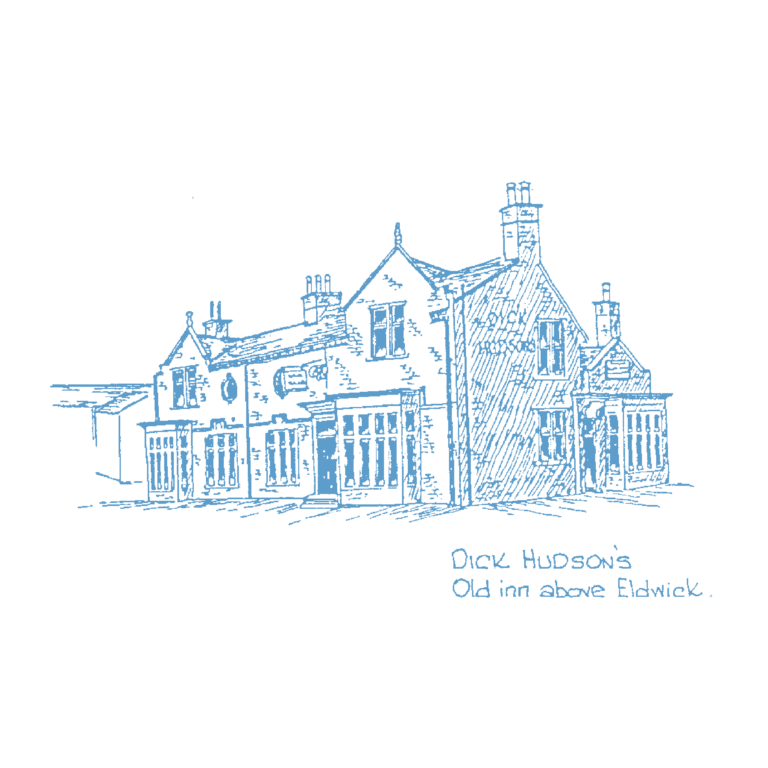
Dick Hudsons is a historic pub near Bingley, West Yorkshire, that was a traveller’s stop on the packhorse route between Bingley and Ilkley, dating back to the 17th century. Originally known as The Plough Boy, it was moved to its current site from an old farmhouse after the Eldwick road closed. The pub gained its name and renown under the landlord Dick Hudson, who ran the establishment between 1850 and 1878, making it famous for its excellent food and hospitality.

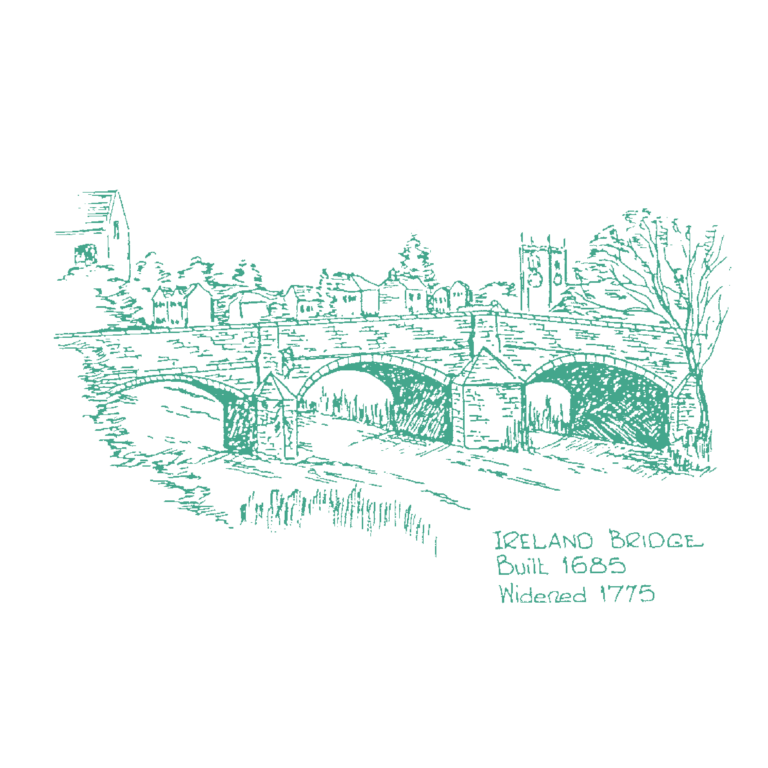
Ireland Bridge is a Grade II* listed structure and a historically significant crossing point over the River Aire. A bridge has existed at this point over the river since mediaeval times. The current bridge dates from 1686 and replaced an earlier timber structure. It now provides the main route between Bingley and the nearby villages of Harden, Wilsden and Cullingworth.

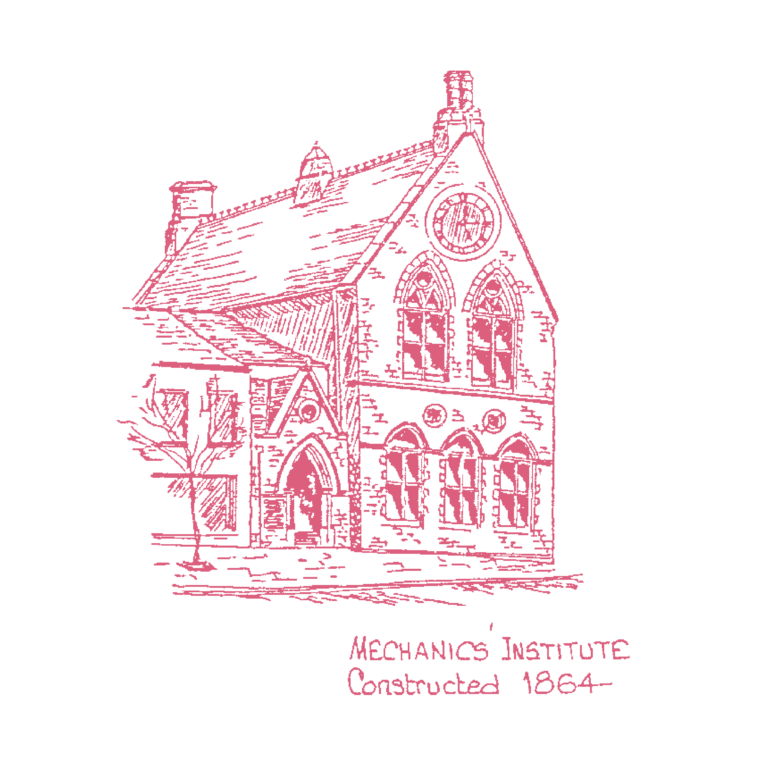
Bingley Mechanics Institute was built in 1837. It had a library of 4,000 volumes, with a lecture room (now ballroom) and museum, all provided so that the local workforce could ‘better’ themselves.

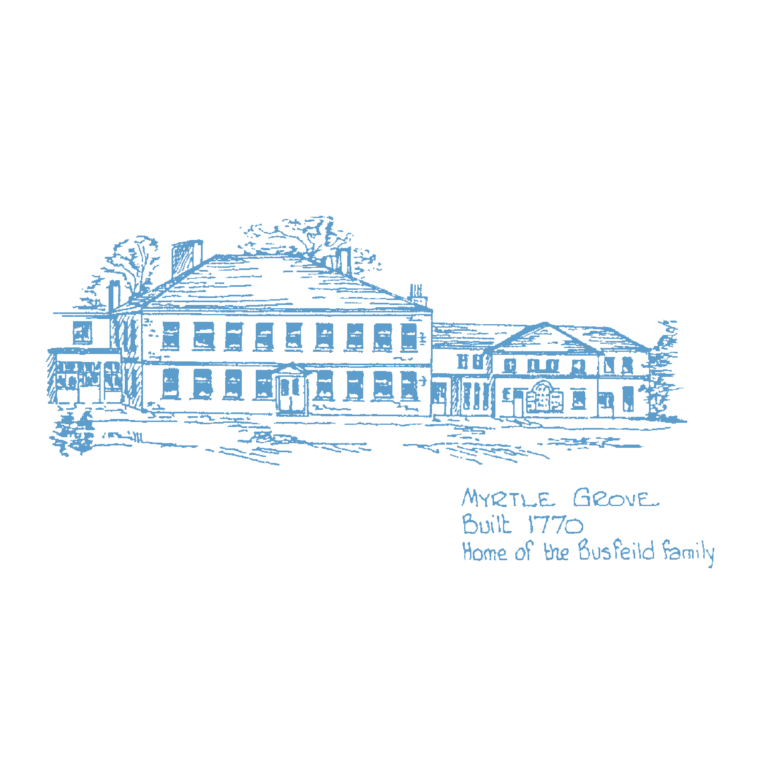
Myrtle Grove, also known since 1926 as Bingley Town Hall, is a municipal building in Myrtle Park, Bingley. The building, which was the headquarters of Bingley Urban District Council, is a Grade II listed building.

The Myrtle Grove estate dates back to the mid-18th century when it consisted of a house known as “Spring Head”, a farm and an old Quaker meeting-house. In 1767, Dr Johnson Atkinson purchased the estate, demolished the existing buildings and commissioned the current mansion which was designed in the Georgian style, built in ashlar stone and completed in around 1770.

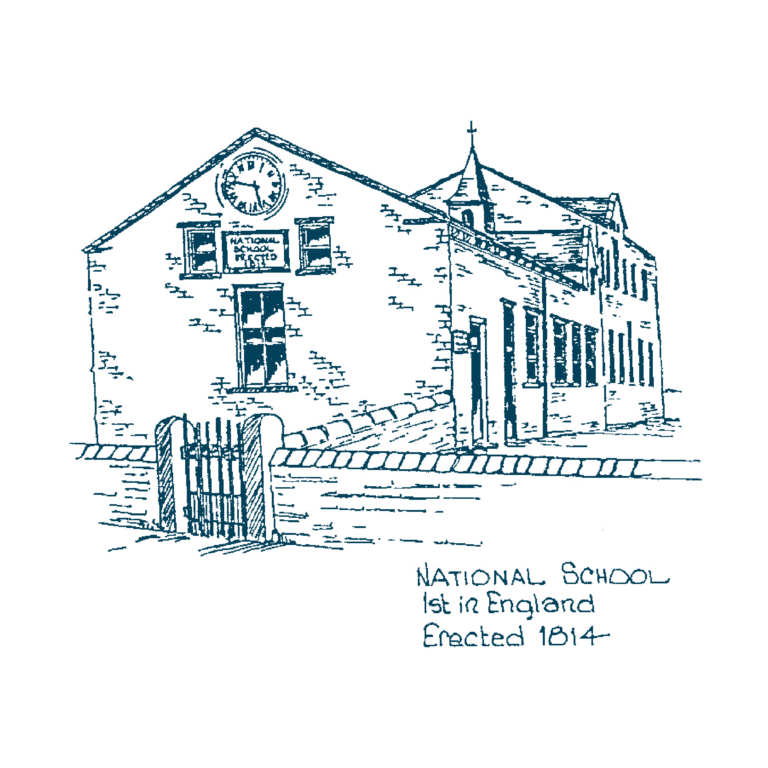
The National School was established in 1814 as a church-run school set up by the National Society which aimed to provide education based on the teachings of the Church of England. It was a prominent example of a National School, a common type of school established in parishes across England and Wales to educate children of poorer families. In 1869, a significant disaster struck the school when a boiler exploded next to the building. The explosion resulted in 15 fatalities, including several children who were playing in the schoolyard at the time.

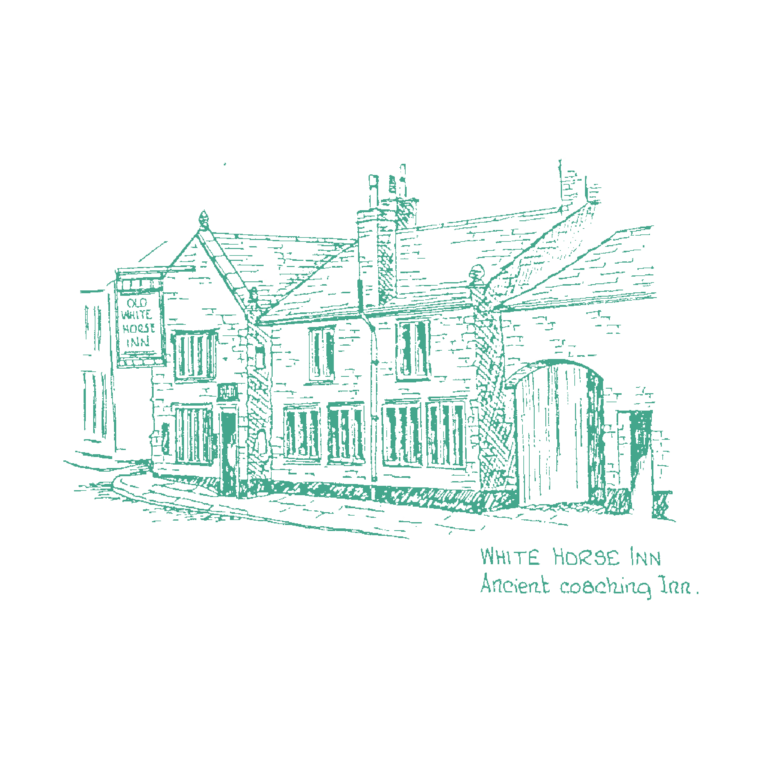
The Old White Horse Inn in Bingley, is one of the town’s oldest buildings, originally constructed as a coaching inn in the mid-17th century, with evidence suggesting a hostelry has existed on the site since the 14th century. It is a Grade II listed building, known for its rustic stone walls and beamed ceilings.

In partnership with

Follow