FIVE RISE LOCKS

Bingley’s Five Rise Locks opened in 1774, to the cheers of an assembled crowd of some 30,000 onlookers. Still considered one of the greatest feats of canal engineering in the world, English Heritage have awarded the site ‘Grade 1 Status’, the same as Buckingham Palace.

History and Construction

The Leeds and Liverpool Canal was built between 1770 and 1816, to connect the two cities via a navigable route. The Five Rise Locks were part of a major engineering effort to overcome the steep terrain near Bingley. Designed by engineer John Longbotham and constructed in the early 1770s, the locks rise a total of 60 feet (18 metres). Named “Five Rise” in reference to the five distinct lock chambers that allow boats to traverse the hill.

Bingley’s Five Rise Locks opened in 1774, to the cheers of an assembled crowd of some 30,000 onlookers. Still considered one of the greatest feats of canal engineering in the world, English Heritage have awarded the site ‘Grade 1 Status’, the same as Buckingham Palace.

The Engineering Feat

The locks are testament to the ingenuity of early canal engineering, making it possible for industrial goods to be transported more efficiently.

Over the years, Five Rise Locks has become an iconic landmark and symbol of the industrial age. As the largest lock flight on the Leeds and Liverpool Canal they are regarded as one of the most impressive canal engineering features in Britain.

Changes and Preservation

Five Rise Locks have undergone assorted restoration at regular intervals, as the timberwork of their gates requires complete replacement every 20 to 25 years. They remain an essential part of the canal system and are now carefully maintained and preserved by the Canal & Rivers Trust.

By the mid-20th century, the canal was no longer used for industrial purposes, however the rise in recreational boating led to a renewed interest in the Five Rise Locks as a heritage site. The locks are now a popular tourist attraction, and the area around them a lovely spot for walks and picnics. men on boats

TODAY

The locks are still in regular use, although more for recreational boating than industrial transport. The Bingley area has developed into a popular destination for both history enthusiasts and those interested in enjoying the scenic canal views.

Five Rise Locks remain an enduring symbol of the industrial revolution and one worthy of their title as ‘One of the seven wonders of the waterways’.
You are stood next to ‘Five Rise Locks’, found here in Bingley, on the Leeds to Liverpool Canal. Many people call these locks ‘One of the seven wonders of the waterways’!

“Opened in 1774, the locks took around four years to build. ‘Locks’ like these are used to help canal boats get safely up and down hills. Without them it would be impossible for boats to make their journey.”

The Lock Keeper

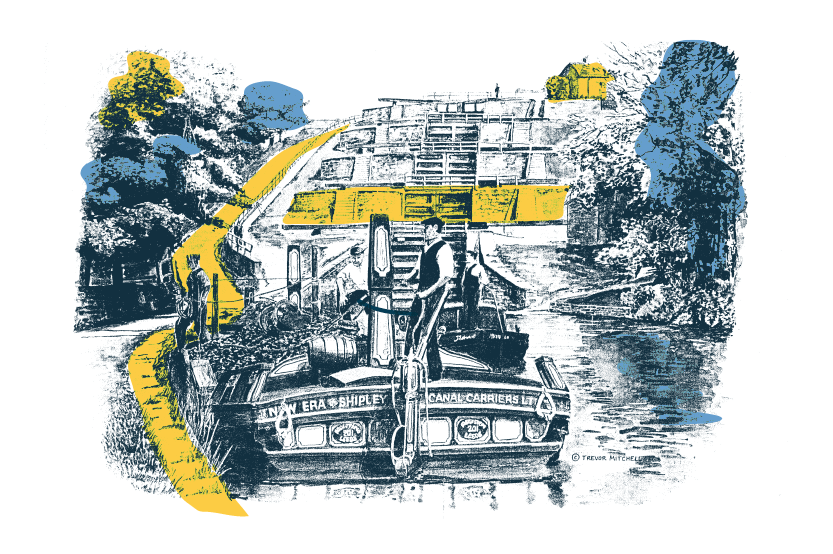
Five Rise Locks are what we call ‘staircase locks’, a bit like the stairs you might have at home, you travel up and down them, one step at a time. These locks are the widest, deepest and steepest of all the staircase locks in Britain.

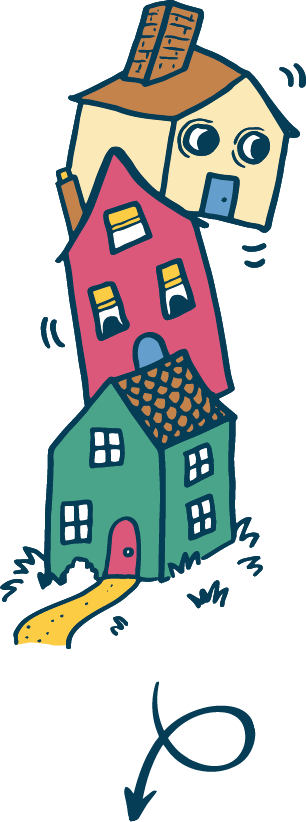
The top lock is 18 metres higher than the lowest lock, that is about the same height as three houses stacked on top of one another!

It takes boats around 45 minutes to go up the locks and around 30 minutes to come down. It is a tricky job and must be done very carefully.

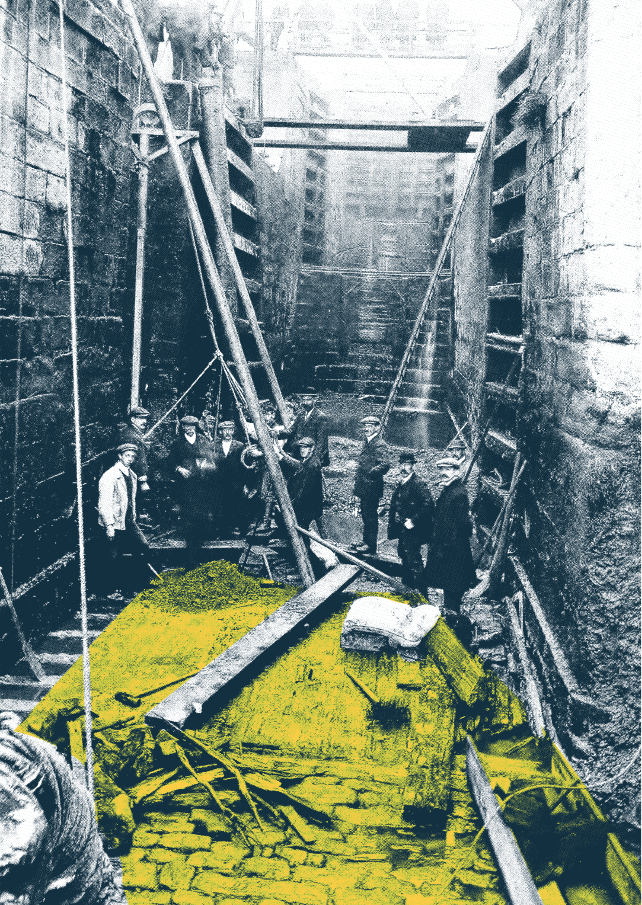
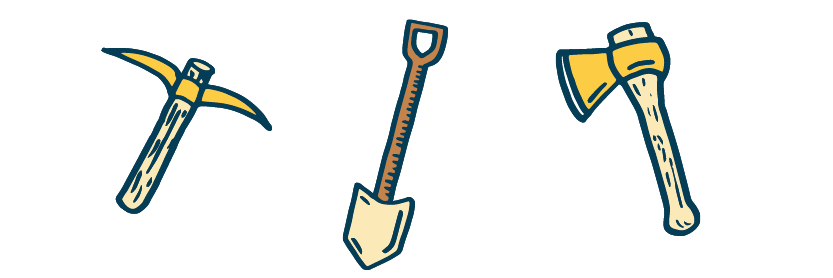
The heavy machines used to do jobs like this today had yet to be invented, so the work was done by lots of people, with only shovels and pickaxes.

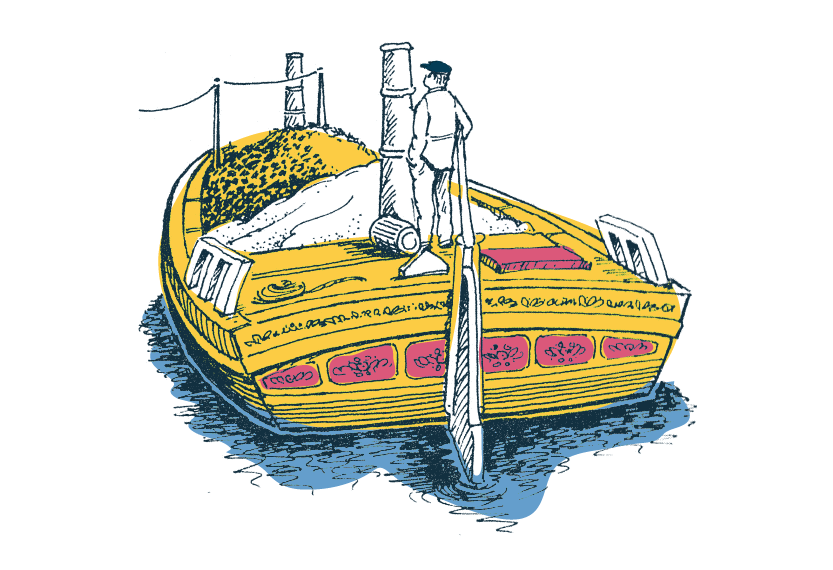
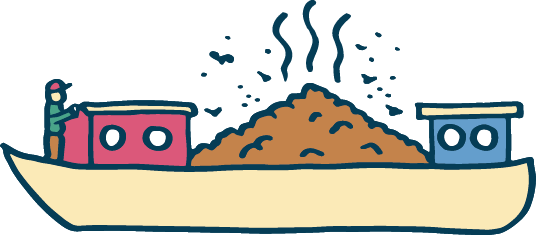
Since being built, the locks have helped carry all kinds of goods up and down the canal. From coal to nuts, wheat to wool and even cocoa, used to make chocolate. Before people had toilets in their homes, boats even carried away ‘night soil’ to nearby farms. ‘Night soil’ was the polite name given to what we now flush down our toilets!

Since being built, the locks have helped carry all kinds of goods up and down the canal. From coal to nuts, wheat to wool and even cocoa, used to make chocolate. Before people had toilets in their homes, boats even carried away ‘night soil’ to nearby farms. ‘Night soil’ was the polite name given to what we now flush down our toilets!

More Facts and Photos Here

DOWNLOAD TRAIL MAP

In partnership with

Follow